

Datenspeicherung hat sich von einer einfachen IT-Anwendung zu einem strategischen Asset entwickelt, das die Innovationsgeschwindigkeit eines Unternehmens maßgeblich beeinflusst. Moderne Speicherplattformen bilden die Grundlage für KI-Pipelines, Analysen und HPC-Workloads. Dank der Transparenz durch Tools wie PASCARI können Unternehmen Leistungsdaten ihrer Speichersysteme in schnellere Erkenntnisse und bessere Entscheidungen umwandeln. Erfahren Sie, warum führende Unternehmen Datenspeicherung als Treiber für KI-Performance, Agilität und schnellere Ergebnisse betrachten.
Jahrzehntelang betrachteten Unternehmen Speicherplatz als eine grundlegende IT-Anforderung. Solange Anwendungen verfügbar blieben und die Kapazität ausreichte, wurde Speicherplatz als Backend-Dienstleistung und nicht als Geschäftstreiber angesehen.
Diese Ansicht lässt sich immer schwerer verteidigen.
Künstliche Intelligenz, fortgeschrittene Analytik und Hochleistungsrechnen (HPC) Die Rolle des Speichers in Unternehmen hat sich verändert. Heute beeinflusst der Speicher, wie schnell man Modelle trainieren, Erkenntnisse gewinnen, Dienste einführen und auf Marktveränderungen reagieren kann.
Lagerspeicher leisten mehr als nur die Unterstützung des Unternehmens. Sie tragen maßgeblich dazu bei, wie schnell Ihr Unternehmen agieren kann.
Die Datenspeicherung hat sich von einer einfachen IT-Anwendung zu einem strategischen Asset entwickelt, das Innovationen vorantreibt. Dieser Wandel beginnt mit der veränderten Rolle der Datenspeicherung im gesamten Unternehmen.

Warum Speicher mehr als nur Infrastruktur ist
Traditionelle Speicherstrategien konzentrierten sich auf Kapazität, Verfügbarkeit und Kostenkontrolle. Diese Prioritäten sind nach wie vor wichtig, aber nicht mehr ausreichend.
Moderne Unternehmen sind für Produktentwicklung, Kundenerlebnis, Effizienzsteigerung und die Einführung von KI auf Daten angewiesen. Dies erfordert die schnelle Übertragung, Verarbeitung und Analyse von Daten.
Wenn die Speicherleistung den Datenzugriff einschränkt, reichen die Auswirkungen über das Rechenzentrum hinaus. Analysen verzögern sich, KI-Zyklen verlangsamen sich und der Betrieb reagiert weniger schnell.
Immer mehr Unternehmen beurteilen Speicherlösungen nicht nur nach den Kosten, sondern auch nach dem Mehrwert, den sie schaffen.
KI und Analytik verändern die Gleichung
Künstliche Intelligenz stellt neue Anforderungen an die Unternehmensinfrastruktur. Organisationen erfassen, übertragen und analysieren heute kontinuierlich große Datenmengen, und selbst hochentwickelte Modelle können keinen Mehrwert bieten, wenn die Daten sie nicht effizient erreichen können.
Die Speicherleistung beeinflusst KI-Pipelines maßgeblich durch den Durchsatz (die Menge der übertragenen Daten pro Zeiteinheit) und die Latenz (die Verzögerung zwischen Anfrage und Antwort). Beides wirkt sich auf die Leistungsfähigkeit von KI- und Analyse-Workloads aus.
Mit zunehmender Verbreitung von KI wird der Speicherplatz zu einem entscheidenden Faktor dafür, wie schnell Teams experimentieren, trainieren, iterieren und bereitstellen können.
Speicher als Herzstück der Innovation
Innovation hängt von Geschwindigkeit ab. Ob Sie KI-Anwendungen entwickeln, das Kundenverhalten analysieren, Simulationen durchführen oder Abläufe optimieren – der schnelle Zugriff auf Daten schafft einen messbaren Wettbewerbsvorteil.
Speicherkapazität ist die Grundlage dieses Wettbewerbsvorteils. Unternehmen, die sie strategisch nutzen, können Entscheidungen beschleunigen und schneller auf Chancen reagieren als ihre Konkurrenten.
Wie Speicherlösungen KI, Analytik und HPC verbessern
Datenintensive Arbeitslasten erfordern einen schnellen und zuverlässigen Zugriff auf Informationen. Daher spielt der Speicherplatz eine direkte Rolle für die Effizienz von Unternehmen und deren Wertschöpfung.
In KI-Umgebungen müssen Daten die Phasen Erfassung, Aufbereitung, Training und Inferenz durchlaufen. Speicherengpässe verlangsamen diese Prozesse, reduzieren die Auslastung und verlängern die Laufzeiten. Optimierter Speicher ermöglicht es Teams, weniger Zeit mit Warten zu verbringen und stattdessen mehr Zeit für die Modellentwicklung, die Gewinnung von Erkenntnissen und die Implementierung neuer Funktionen aufzuwenden.
Das Gleiche gilt für Analysen. Schnellerer Datenzugriff ermöglicht häufigere Analysen, kürzere Berichtszyklen und schnellere Reaktionen auf sich ändernde Geschäftsbedingungen. Da Unternehmen zunehmend Echtzeit-Einblicke anstreben, trägt die Speicherleistung entscheidend zur operativen Agilität bei – also zur Fähigkeit, sich schnell anzupassen und gleichzeitig Effizienz und Kontrolle zu wahren.
Bei HPC-Workloads kann der Speicherdurchsatz die Geschwindigkeit von Simulationen, Modellierungsübungen und Forschungsprojekten beeinflussen. Ein besserer Speicher hilft Unternehmen, Ressourcen effizienter zu nutzen und Innovationen zu beschleunigen.
Bei all diesen Anwendungsfällen beeinflusst der Speicher mehr als nur die Anwendungsleistung. Er prägt, wie schnell Unternehmen Daten in Entscheidungen und Ideen in Ergebnisse umsetzen.
Die fehlende Ebene der Beobachtbarkeit und Optimierung
Viele Unternehmen wissen, dass die Speicherleistung wichtig ist, haben aber Schwierigkeiten, die Vorgänge in ihren Umgebungen zu identifizieren.
Ohne diese Transparenz reagieren Teams oft erst, wenn Probleme Anwendungen oder Benutzer beeinträchtigen. Genau hier setzt die Beobachtbarkeit an.
Observability ermöglicht Teams einen tieferen Einblick in die Infrastruktur durch die Erfassung und Analyse von Betriebsdaten. In Speicherumgebungen hilft sie, Ineffizienzen zu erkennen, Workloads zu verstehen und bessere Entscheidungen zu treffen.
Engpässe vermeiden, bevor sie entstehen
Eine große Herausforderung im Bereich der Infrastruktur besteht darin, Engpässe zu erkennen, bevor sie den Geschäftsbetrieb stören.
Speicherworkloads entwickeln sich ständig weiter, da sich Anwendungen, Benutzer und Datenmengen ändern. Eine Konfiguration, die heute funktioniert, kann morgen schon ineffizient sein.
Kontinuierliche Überwachung und Speicheranalysen können Engpässe frühzeitig erkennen und so Störungen und kostspielige Fehlersuche reduzieren.
Vom reaktiven zum prädiktiven Ansatz wechseln
Die besten Organisationen tun mehr, als nur die Infrastruktur zu überwachen. Sie nutzen die gewonnenen Erkenntnisse, um sie zu verbessern.
Mithilfe von Predictive Analytics können Ihre Teams Trends erkennen, zukünftige Anforderungen prognostizieren und Umgebungen optimieren, bevor Probleme Benutzer oder Arbeitslasten erreichen.
Dieser Wandel von reaktivem Management hin zu kontinuierlicher Optimierung schafft eine widerstandsfähigere und effizientere Infrastrukturgrundlage.

Wie Pascari Lagerraum zu einem Unternehmenswert macht
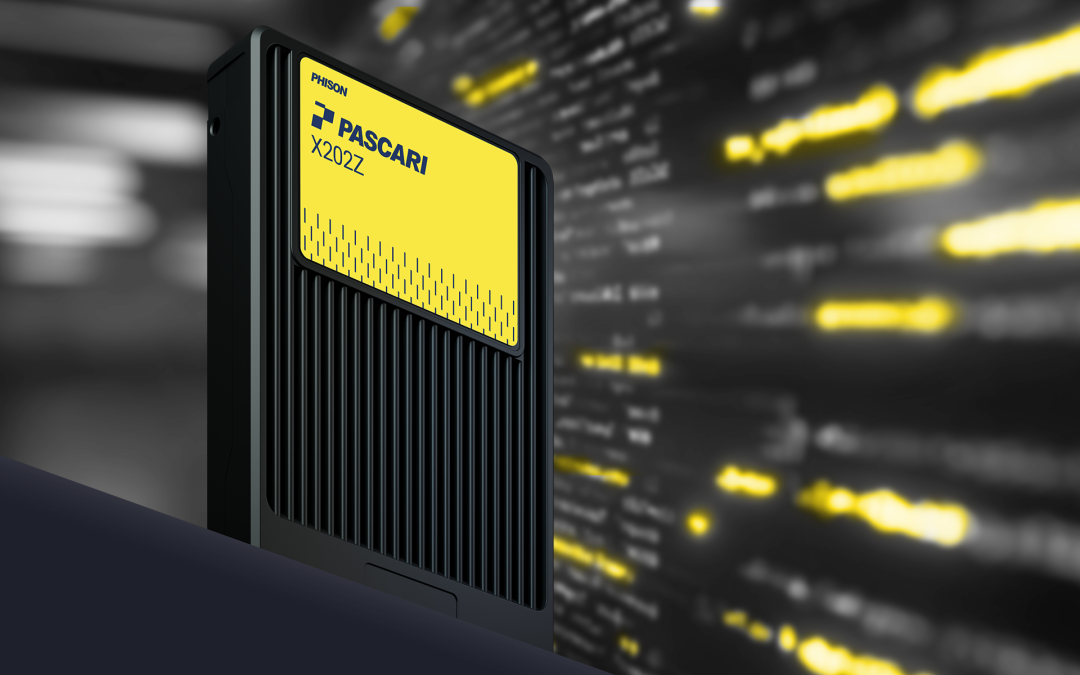
Um Speicher in ein strategisches Asset zu verwandeln, bedarf es Kapazität, Leistung, Überwachbarkeit und Optimierung. Phisons Pascari Enterprise-SSDs Sie wurden entwickelt, um Ihnen die Einblicke und die Kontrolle zu bieten, die Sie heute benötigen.
Pascari SSDs liefern wertvolle Einblicke auf Geräteebene, die Teams helfen, das Verhalten, den Zustand und die Leistungsmerkmale von SSDs besser zu verstehen. Beispielsweise die proprietäre Technologie von Phison. SmartRefresh™-Technologie Die SSD scannt im Leerlauf die NAND-Flash-Module, um potenzielle Fehler zu erkennen. Unsere SmartFlush™-Technologie leert zudem den DRAM-Cache im Leerlauf, um Datenverlust zu verhindern. Pascari SSDs verfügen außerdem über einen integrierten Fehlerkorrekturcode (ECC) zum Schutz der Daten, adaptive Verschleißausgleichsfunktionen zur Verlängerung der NAND-Lebensdauer und vieles mehr.
Mit Pascari SSDs erhalten Unternehmen Echtzeit-Einblicke in das Workload-Verhalten, die Speichernutzung und die Leistung, um besser zu verstehen, wie die Infrastruktur die Geschäftsziele unterstützt.
Die wertvollsten Erkenntnisse über die Infrastruktur stellen den Zusammenhang zwischen technischer Leistungsfähigkeit und geschäftlichen Auswirkungen her.
Indem Pascari SSDs aufzeigen, wie sich Speicherlösungen auf KI-Initiativen, die Reaktionsfähigkeit von Analysen und die betriebliche Effizienz auswirken, helfen sie Unternehmen, bessere Entscheidungen zu treffen und IT-Investitionen an den Geschäftszielen auszurichten.
Das Ergebnis ist eine Speicherumgebung, die Innovation, Agilität und langfristiges Wachstum unterstützt.
Schaffen Sie eine intelligentere Grundlage für Wachstum
Mit dem Wachstum von KI, Analytik und anderen datenintensiven Anwendungen wird der Speicher im gesamten Unternehmen eine strategischere Rolle spielen.
Unternehmen, die Datenspeicherung immer noch lediglich als Infrastrukturrisiko betrachten, verpassen einen wichtigen Treiber für Leistungsfähigkeit und Innovation. Wer Speicher als strategisches Unternehmensgut ansieht, kann schnellere Erkenntnisse gewinnen, die operative Agilität verbessern und die digitale Transformation beschleunigen.
Phison glaubt, dass die Zukunft von Unternehmensspeicher Der Schlüssel zum Erfolg liegt in der Kombination von Hochleistungshardware mit intelligenter Transparenz und kontinuierlicher Optimierung. Mit Pascari Enterprise-SSDs und unserer Expertise im Bereich vertikal integrierter Speicherlösungen unterstützen wir Unternehmen dabei, ein tieferes Verständnis dafür zu gewinnen, wie Daten durch ihre Umgebungen fließen und wie Speicher optimiert werden kann, um messbaren Geschäftswert zu schaffen.
Die Diskussion um Speicherlösungen verändert sich. Zukunftsweisende Unternehmen fragen sich nun, wie Speicherlösungen ihnen helfen können, schneller zu agieren, effektiver Innovationen voranzutreiben und einen stärkeren Wettbewerbsvorteil aufzubauen.
Erfahren Sie mehr über Pascari Enterprise-SSDs oder Nehmen Sie noch heute Kontakt mit einem Pascari-Vertriebsmitarbeiter auf.
Häufig gestellte Fragen (FAQ):
Was bedeutet es, Lagerbestände als strategisches Unternehmensvermögen zu behandeln?
Speicher wird zu einem strategischen Unternehmenswert, wenn Unternehmen ihn anhand seiner Auswirkungen auf die Geschäftsergebnisse bewerten und nicht nur anhand von Kapazität, Verfügbarkeit oder Kosten. Hochleistungsspeicher beeinflusst die Geschwindigkeit des KI-Trainings, die Reaktionsfähigkeit von Analysen, die operative Agilität und Innovationszyklen. Unternehmen messen Speicher zunehmend daran, wie effektiv er die Entscheidungsfindung beschleunigt, datenintensive Workloads unterstützt und Wettbewerbsvorteile durch schnelleren Zugriff auf verwertbare Informationen ermöglicht.
Warum ist die Speicherleistung für KI-Workloads wichtig?
Die Speicherleistung beeinflusst direkt, wie effizient KI-Systeme Daten durch die Phasen der Datenerfassung, -aufbereitung, des Trainings und der Inferenz bewegen. Ein hoher Durchsatz ermöglicht eine schnellere Datenübertragung, während eine geringe Latenz die Verzögerungen zwischen Anfragen und Antworten reduziert. Kann der Speicher mit den KI-Workloads nicht Schritt halten, bleiben GPUs und Rechenressourcen möglicherweise ungenutzt, was die Kosten erhöht und die Bereitstellungszeiten verlängert.
Wie wirken sich Durchsatz und Latenz auf Unternehmensanwendungen aus?
Durchsatz bestimmt Wie viel Datenspeichersysteme im Laufe der Zeit übertragen können, wird als Durchsatz bezeichnet, während die Latenz die Verzögerung zwischen einer Anfrage und einer Antwort misst. Hoher Durchsatz unterstützt umfangreiche Datenverarbeitungs- und KI-Trainings-Workloads. Niedrige Latenz verbessert die Reaktionsfähigkeit von Analysen, Datenbanken und Echtzeitanwendungen. Unternehmen benötigen beide Eigenschaften, um… pflegen Vorhersagbare Leistung in modernen Unternehmensumgebungen.
Welchen Einfluss hat die Speicherung auf Analytik und Business Intelligence?
Die Speicherleistung beeinflusst, wie schnell Organisationen auf Daten zugreifen, diese verarbeiten und … analysieren Daten. Schnellerer Speicher ermöglicht häufigere Berichte, kürzere Analysezyklen und schnellere Reaktionen auf sich ändernde Geschäftsbedingungen. Da Unternehmen zunehmend auf nahezu Echtzeit-Einblicke angewiesen sind, wird die Speicherinfrastruktur zu einem entscheidenden Faktor. Komponente operative Agilität und datengestützte Entscheidungsfindung.
Was ist Speicherbeobachtbarkeit und warum ist sie wichtig?
Storage-Observability ist die Praxis des Sammelns und Analyse Betriebsdaten zum Verständnis der Speicherleistung und der Arbeitslast Verhalten, und der Gesundheit der Infrastruktur. Es hilft Organisationen identifizieren Engpässe erkennen, Ineffizienzen diagnostizieren und optimieren Ressource Verwendung Bevor Probleme Anwendungen beeinträchtigen. Effektive Beobachtbarkeit unterstützt proaktives Management und ermöglicht fundiertere Entscheidungen bei der Infrastrukturplanung.
Wie können Enterprise-SSDs eine KI-fähige Infrastruktur unterstützen?
Enterprise-SSDs unterstützen KI-fähige Infrastrukturen durch latenzarmen Zugriff, konsistenten Durchsatz und vorhersehbare Leistung bei datenintensiven Workloads. Speicherlösungen, die speziell für KI-Umgebungen entwickelt wurden, helfen dabei. pflegen effiziente Datenpipelines, maximale Rechenleistung Verwendung, und reduzieren Verzögerungen beim Modelltraining und der Inferenz. Phisons vertikal integrierter Ansatz kombiniert Controller-Architektur, Firmware-Optimierung und NAND-Management, um anspruchsvolle KI- und Analyseanwendungen zu unterstützen.
Warum sind Innovationen auf Controller-Ebene bei Unternehmensspeichern wichtig?
Innovation auf Controller-Ebene bestimmt Wie effizient SSDs Datenbewegung, Fehlerkorrektur, Lebensdauer, Latenz und Workload-Optimierung handhaben. Fortschrittliche Controller koordinieren NAND-Operationen, Firmware-Intelligenz und Leistungsoptimierung, um auch unter anspruchsvollen Workloads vorhersehbare Ergebnisse zu liefern. Der Controller von Phison. Sachverstand ermöglicht arbeitslastspezifische Optimierung, die Unternehmen dabei hilft, höhere Effizienz, bessere Ausdauer und eine konstantere Leistung zu erzielen.
Wie verbessern Pascari Enterprise-SSDs die Transparenz des Speichers?
Pascari Enterprise-SSDs bieten Einblicke auf Geräteebene, die Organisationen helfen Monitor SSD Verhalten, Gesundheit, Verwendung, und Leistungsmerkmale. Merkmale wie SmartRefresh™ und SmartFlush™ beitragen zusätzlich Einblick in den Zustand des NAND-Speichers und die Prozesse zum Datenschutz. Diese Transparenz ermöglicht es Infrastrukturteams, fundiertere Entscheidungen hinsichtlich Optimierung, Wartung und Kapazitätsplanung zu treffen.
Welche Rolle spielt die prädiktive Optimierung in der Unternehmensspeicherung?
Die prädiktive Optimierung nutzt Betriebsdaten und Trendanalysen, um identifizieren zukünftige Leistungsbeschränkungen, bevor sie Auswirkungen Workloads. Anstatt erst nach dem Auftreten von Störungen zu reagieren, können Unternehmen Infrastrukturressourcen, Workload-Platzierung und Speicherkonfigurationen proaktiv anpassen. Dieser Ansatz verbessert die Ausfallsicherheit, senkt die Kosten für die Fehlerbehebung und unterstützt eine effizientere langfristige Infrastrukturplanung.
Wie unterstützt Phison Unternehmen dabei, ihre Investitionen in Speicherlösungen an den Geschäftszielen auszurichten?
Phison hilft Unternehmen dabei, Kennzahlen zur Speicherleistung mit messbaren Geschäftsergebnissen zu verknüpfen. Ziele wie z. B. KI-Bereitschaft, Reaktionsfähigkeit von Analysen, betriebliche Effizienz und Skalierbarkeit der Infrastruktur. Durch Pascari Enterprise-SSDs, Innovationen auf Controller-Ebene, Firmware-Integration und workloadorientierte Optimierung, Phison ermöglicht es Unternehmen, Speicherumgebungen aufzubauen, die schnellere Entscheidungsfindung, vorhersehbare Leistung und langfristiges Wachstum unterstützen.




 Deutsch
  English
  繁體中文
繁體中文  简体中文
简体中文  日本語
日本語  한국어
한국어