
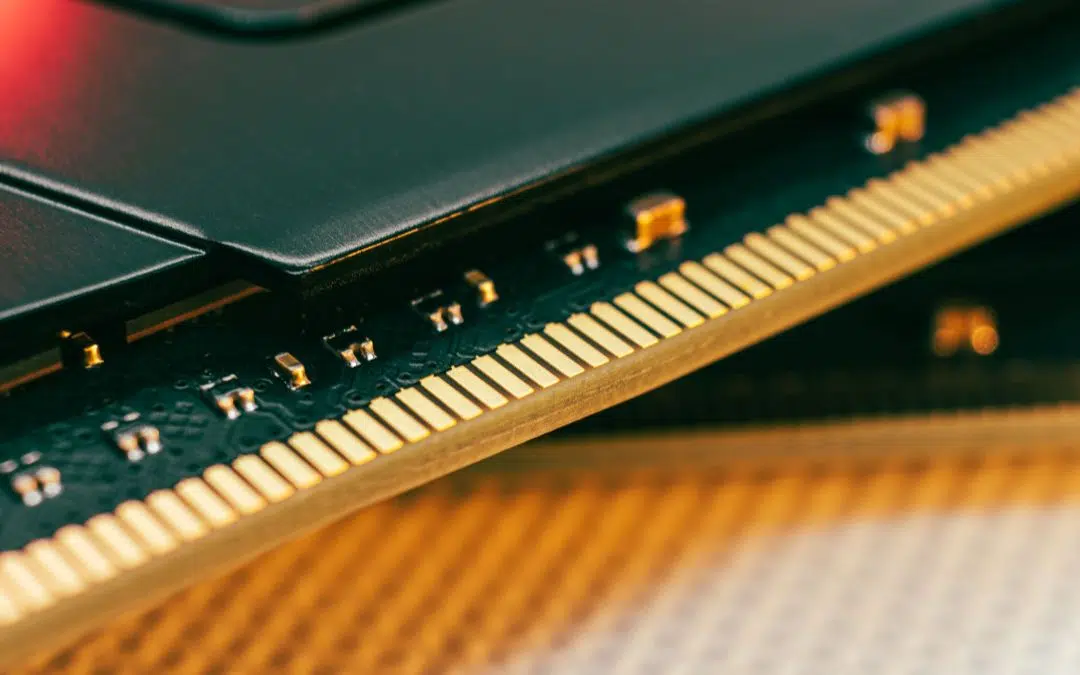
One of the great advantages of aiDAPTIV is that it doesn’t require any internal changes to the existing hardware. It just slots into an open PCIe slot. … We might all have to accept laptops with less DRAM, but if Phison’s claims are true, that might not matter in practice as much as we used to think.
The memory shortage isn’t letting up as we head toward Q4 2026. DRAM contract prices keep climbing and laptop makers are openly warning shareholders they don’t see relief coming anytime soon. While some companies are simply waiting for the AI infrastructure boom to cool off, others are engineering their way around the problem instead. Early this year, in a feature for WIRED, reporter Luke Larsen profiled two companies attempting exactly that, and Phison is one of them.
The piece centers on Pascari aiDAPTIV™, Phison’s AI memory extension solution that uses NAND flash and a specialized correction algorithm to expand effective memory bandwidth for AI workloads. As Larsen reports, the approach could let manufacturers cut a laptop’s DRAM capacity from 32 GB down to 16 GB without giving up on-device AI performance, offering OEMs a way to keep shipping capable “AI PCs” even as DRAM gets scarcer and pricier. Phison founder and CEO K.S. Pua put the broader dynamics bluntly: “Stock price is storytelling. Memory companies need a story.”
For Phison customers navigating tightening component costs and lead times heading into Q4, this article is worth revisiting for a useful look at how the industry sees the shortage playing out—and why a controller- and firmware-level approach to memory, the kind Phison has built its business on, is being positioned as one of the more credible paths through it.




 日本語
 English
 繁體中文
 简体中文
 Deutsch
 한국어