
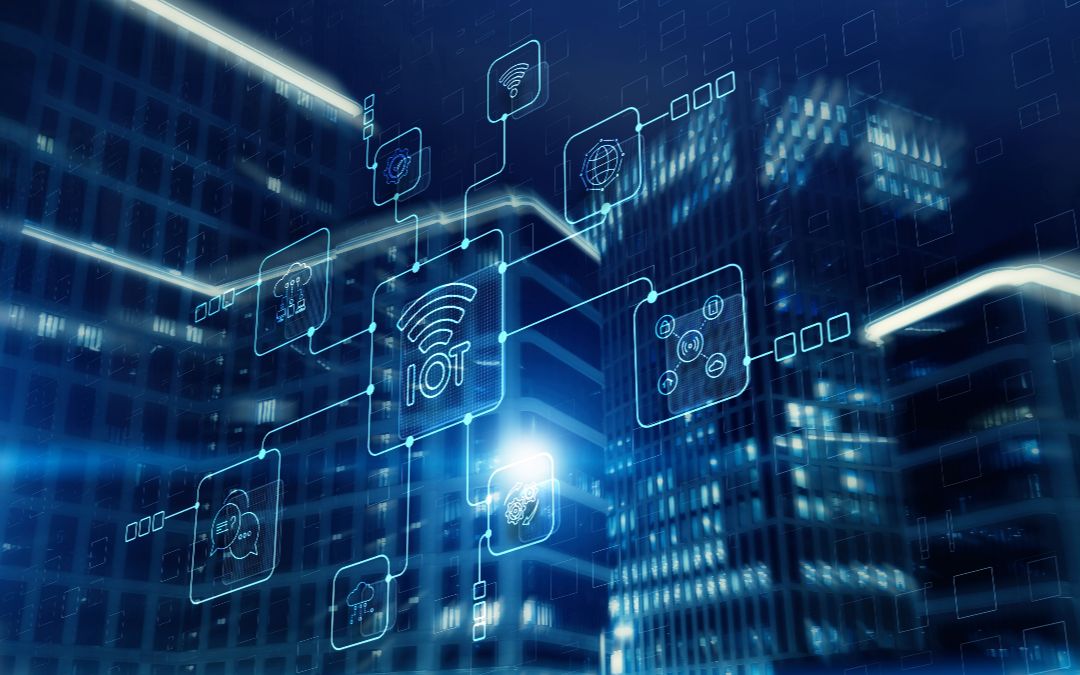
Discover why evolving infrastructure is key to unlocking the full potential of AI, IoT and real-time analytics.
In an era of rapid technological advancement, enterprise agility has become synonymous with survival. Whether it’s responding to market shifts, launching new services or deploying AI-driven tools, organizations are under pressure to adapt faster than ever. But agility doesn’t happen in a vacuum. It’s built on a critical foundation of data. More specifically, it’s how that data is stored, accessed, moved and protected that determines how quickly and effectively you can pivot.
Today’s enterprises are flooded by data generated by AI models, machine learning workflows, IoT devices, edge computing deployments, and real-time analytics platforms. Traditional storage architectures, which are rigid, siloed and slow to scale, weren’t designed for this level of complexity or velocity. They can’t keep up. To remain agile in this new era, it’s vital to rethink how you approach storage from the ground up.
Technology has changed, and so must storage
AI and machine learning are redefining business processes across industries, from predictive maintenance in manufacturing to personalized healthcare recommendations. These workloads require massive volumes of data to be ingested, processed and retrieved at unprecedented speeds.
Meanwhile, IoT and edge computing are pushing the creation of data closer to the source, generating streams of real-time information that demand instant analysis. Organizations in industries such as retail, logistics, and utilities now rely on data collected at the edge to make split-second decisions.
These technologies depend on data being fast, accessible, scalable and intelligently managed. That means the underlying infrastructure must evolve accordingly. The role of storage is no longer passive or secondary. It’s active, intelligent and strategic.
How legacy storage limits your possibilities
Conventional storage models were built for a different time, one where data resided primarily in on-premises systems. Information was accessed in predictable patterns and growth was relatively linear. However, these systems:
- Rarely scale dynamically
- Require manual configuration and provisioning
- Lack visibility across environments
- Aren’t optimized for distributed or hybrid workloads
The result is one big bottleneck that restricts innovation, increases costs and introduces operational risk. In today’s fast-moving digital ecosystem, legacy storage creates friction when what you really need is flexibility.
What agile storage looks like today
To support modern workloads and drive enterprise agility, data storage must be:
- Scalable by design – Elastic scalability is no longer a luxury, it’s a necessity. Modern storage systems must handle unpredictable growth in data volume and velocity, scaling up or down across on-prem, cloud and edge environments without affecting performance.
- Intelligent and automated – AI doesn’t just consume data, it can also be a tool to manage it. Intelligent storage platforms now incorporate machine learning to automatically tier data, predict performance bottlenecks and optimize resource allocation without human intervention.
- Cloud-native and hybrid-ready – Storage needs to seamlessly support hybrid and multicloud strategies. That means data should move fluidly across environments without being locked into proprietary formats or experiencing latency issues depending on location.
- Context-aware – Next-generation storage systems are increasingly context-aware, which means they understand the importance, usage patterns and lifecycle stage of each dataset. This allows for smarter decisions around where to store data, how to secure it and when to archive or delete it.
- High-performance and low-latency – To support AI training, real-time analytics and edge decision-making, you need ultra-fast, low-latency storage solutions, preferably high-throughput data storage.
Storage as a strategic enabler
When you view data storage as a strategic asset rather than a back-end utility, it can unlock agility across the organization. Agile storage empowers:
- Faster AI model development through ultra-speedy access to massive training datasets
- Rapid response to market shifts via real-time analytics and instant data insights
- Scalable IoT deployments with decentralized storage optimized for edge deployments
- Seamless customer experiences backed by resilient, always-available data infrastructure
- Improved compliance and governance through policy-driven storage automation
In short, storage no longer has to be just an IT concern, it can become a true business advantage.
Phison can help prepare you for a more agile future
As data ecosystems become even more complex with increasing adoption of containerized apps, multi-cloud orchestration and specialized AI infrastructure, storage will only grow more critical.
Phison can help you enhance agility with data storage solutions that enable you to evolve. As the world’s largest independent NAND flash controller and storage solution provider, the company offers a wide range of advanced SSDs and controllers that support today’s most advanced data environments.
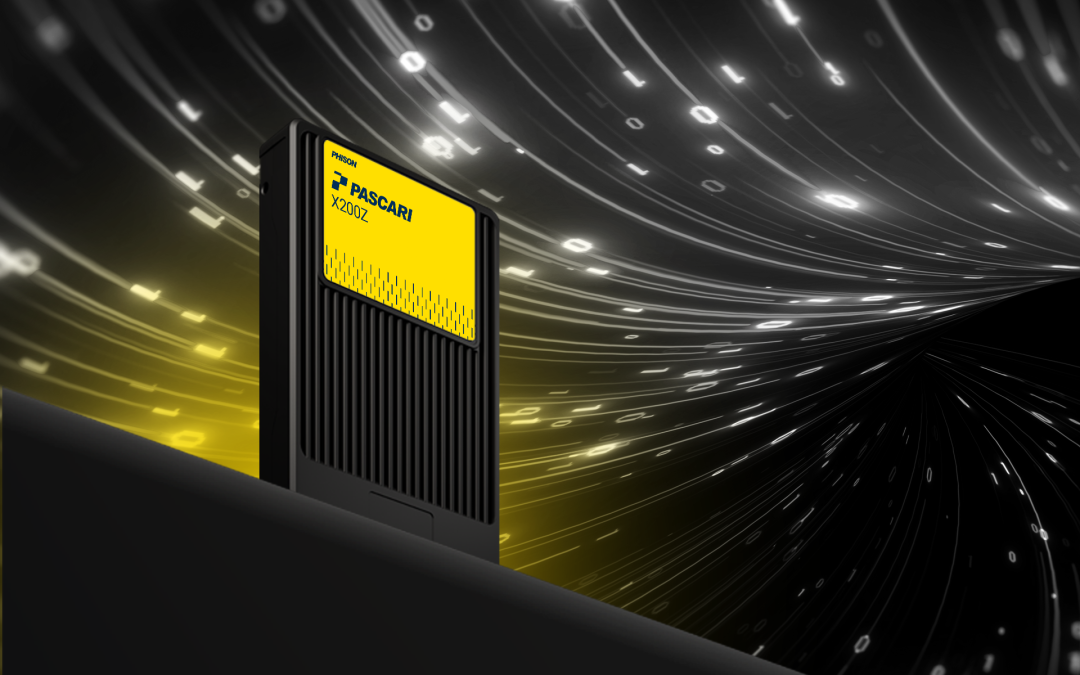
Our Pascari 企业 SSD form a powerful foundation for the speed and latency modern data management needs. Pascari’s performance-focused SSDs, the X-series, are capable of saturating PCIe lanes, which means they’re fast enough to fully utilize maximum available bandwidth and deliver the ultra-high throughput that keeps GPU cards humming, eliminates bottlenecks, and makes scalability predictable and efficient.
With Phison data storage solutions, you can not only achieve the agility that will keep you competitive, you also get maximum value out of your infrastructure, especially in environments where every microsecond matters.
常见问题 (FAQ):
Why is data storage critical for enterprise agility?
Agility relies on how quickly data can be accessed, moved, and protected. Traditional storage architectures create bottlenecks, while modern solutions provide low latency, scalability, and intelligent management that enable faster pivots in AI, IoT, and analytics–driven businesses.
How do legacy storage systems limit innovation?
Conventional storage models lack elasticity, require manual provisioning, and struggle in hybrid or distributed environments. These constraints introduce delays, higher costs, and operational risk,directly reducing an organization’s ability to respond to real–time opportunities.
What role does AI play in modern data storage?
AI not only consumes data but also manages it. Intelligent storage systems leverage machine learning to tier data automatically, forecast bottlenecks, and 优化 resource allocation, 消除 manual intervention and ensuring predictable performance.
Why is low-latency storage essential for AI and IoT workloads?
AI training, real–time analytics, and IoT edge decision–making require ultra–fast throughput. High–performance, low–latency storage ensures GPUs and CPUs 保持 fully utilized, preventing bottlenecks that slow model development or real–time responses.
How does cloud-native storage enhance enterprise agility?
Cloud–native, hybrid–ready storage enables seamless data movement across on–prem, multicloud, and edge environments without lock–in or latency penalties. This flexibility ensures businesses can adapt infrastructure quickly to changing demands.
How does Phison help enterprises modernize storage?
群联 provides SSDs and NAND controllers engineered for today’s AI and data–intensive workloads. With decades of controller–level 专业知识, 群联 designs scalable, high–performance storage that enables enterprises to transition from legacy bottlenecks to agile infrastructure.
What are the advantages of Phison’s Pascari Enterprise SSDs?
Pascari SSDs deliver ultra–high throughput by saturating PCIe lanes, ensuring maximum 图形处理器 利用率 and predictable scaling. This makes them ideal for AI training clusters, edge deployments, and enterprise environments where microseconds impact outcomes.
How do Phison solutions support AI and ML readiness?
群联 SSDs are 优化 for low–latency and high–bandwidth requirements of GPU–heavy AI and ML workflows. They accelerate model training, reduce bottlenecks, and enable real–time analytics, ensuring faster deployment of AI–driven applications.
Can Phison solutions integrate with hybrid and multicloud strategies?
是的。 群联 storage products are engineered for flexibility in hybrid and distributed environments. Their controllers support seamless data movement across cloud, on–prem, and edge, enabling scalable architectures without performance trade–offs.
Why choose Phison as a storage partner for enterprise agility?
As the world’s largest independent NAND flash controller provider, 群联 combines deep technical 专业知识 with enterprise–grade reliability. Partnering with 群联 ensures your infrastructure is engineered for agility, AI–readiness, and maximum return on storage investments.





 简体中文
简体中文  English
  繁體中文
繁體中文  日本語
日本語  Deutsch
  한국어
한국어