
AIトレーニング、リアルタイム分析、データベース、ログ記録、キャッシングなどは、継続的な書き込みアクティビティを発生させ、時間の経過とともにSSDの耐久性を低下させます。この記事では、ドライブ書き込み回数(DWPD)が、ワークロードの要求に合わせてSSDの耐久性を調整し、早期交換を減らし、Phison Pascari X202Zで書き込み負荷の高い環境をサポートする仕組みについて説明します。.
耐久性が作業負荷に見合えば、チームはより自信を持ってストレージ計画を立てることができ、交換に関する予期せぬ事態を減らし、より明確な成長の道筋を示すことができる。.
AIインフラに関する議論は、たいていスピードから始まります。モデルはどれくらいの速さで学習できるのか?システムはどれくらいの速さでデータを取り込めるのか?ストレージ層はどれくらいのスループットを提供できるのか?
これらの疑問は重要です。しかし、同じくらい重要な疑問が抜け落ちています。それは、SSDは耐久性が問題となる前に、どれだけの書き込みに耐えられるのか、ということです。
AIシステムは絶えず書き込み処理を実行します。トレーニングジョブはチェックポイントを保存します。リアルタイム分析プラットフォームは、到着した新しいデータを取り込みます。データベースはトランザクションを記録します。ログシステムはアプリケーションおよびシステムイベントを収集します。キャッシュ層は、データが別のストレージ層に移動する前に、頻繁な書き込みを吸収します。.
そういった活動すべてが摩耗を招きます。.
SSDは、アプリケーションが必要とする容量とパフォーマンスを初日には提供できるものの、時間の経過とともにワークロードとの相性が悪くなる可能性があります。読み込み中心の環境向けに設計されたドライブは、24時間体制でデータ書き込みを行うシステムに設置した場合、想定よりも早く定格書き込み容量の上限に達してしまう可能性があります。.
ここでSSDの書き込み耐久性が重要になります。これは、ドライブが保証期間中にどれだけのデータを書き込めるように設計されているかを示す指標です。1日あたりの書き込み回数(DWPD)は、日々の書き込み需要とSSDに組み込まれた耐久性を比較する実用的な方法を提供します。.
1日の書き込み需要がドライブの定格耐久性を超えると、その影響はハードウェア自体にとどまりません。ドライブの交換時期を早めたり、メンテナンススケジュールを調整したり、予備在庫を増やしたり、インフラ予算を見直したりする必要が生じる可能性があります。.
適切なDWPD定格は、ストレージを継続的な書き込み需要に合わせて選定し、交換サイクルをより正確に計画するのに役立ちます。.
1日あたりのドライブ書き込み回数とは何ですか?また、なぜそれが重要なのでしょうか?
SSDメーカーは、書き込み耐久性の指標として、テラバイト書き込み量(TBW)とDWPDという2つの一般的な指標を使用しています。TBWは、メーカーが定める条件下でドライブが書き込めるデータの総量です。DWPDは、その総量を1日あたりの書き込み回数に換算したものです。これは、保証期間中にドライブの使用可能容量を1日に何回書き込めるかを示します。.
シンプルなDWPDの例
5年保証付きの4TB SSDを考えてみましょう。1 DWPD(1日あたりの書き込み回数1回)の場合、ドライブは1日に最大容量に相当する書き込み回数に耐えられるとされています。
4 TB × 1 DWPD = 1日あたり4 TB
3 DWPD の場合、その日量は次のようになります。
4 TB × 3 DWPD = 12 TB/日
5年間で、3DWPDドライブは以下の定格となる。
4TB × 3 × 365 × 5 = 21,900TB
書き込み回数をカウントするために、ドライブ全体を最初から最後まで満杯にする必要はありません。数千個の小さなファイルやアップデートが、1日を通して1回のドライブ全体への書き込みに相当する場合があります。同じ1日の書き込み量でも、ドライブの耐久性設計によって意味合いは大きく異なります。仕様上は高性能に見えるドライブでも、ワークロードが設計上の耐久性を超える書き込みを行う場合は、不適切なドライブとなる可能性があります。.
AIワークロードが書き込み集中型である理由
多くのAIワークロードは、既に保存されている情報を読み込むだけでなく、ジョブ全体を通してデータを作成、更新、保存します。.
トレーニングはその典型的な例です。システムはチェックポイントを保存することで、数時間または数日分の作業進捗を失うことなくジョブを再開できるようにします。これらのチェックポイントには、モデルの重みなど、トレーニングを再開するために必要な情報が含まれています。モデルが大きいほどチェックポイントも大きくなり、保存頻度が高いほどストレージに書き込まれるデータ量が増加します。分散トレーニングでは、複数のGPUまたはサーバーが同じチェックポイントの一部を書き込む場合があります。.
書き込みは、分析プラットフォーム、ログシステム、キャッシュ層など、モデル周辺のシステムからも発生します。これらのプロセスが継続的に、または同時に実行されると、SSDに持続的な書き込み負荷がかかる可能性があります。.
すべてのAIシステムが書き込みを多用するわけではありません。既存のモデルを処理する推論ワークロードは、書き込むデータよりもはるかに多くのデータを読み込む場合があります。この違いは、ワークロードが実行中にデータを生成、変更、保存する頻度によって決まります。.
AIパイプラインで低耐久性SSDを使用するリスク
耐久性の低いSSDが必ずしも低品質のSSDというわけではありません。書き込みよりも読み込みデータが多い環境では、問題なく動作する場合もあります。問題となるのは、ドライブが想定以上の書き込み処理量を生成するAIパイプラインに組み込まれた場合です。.
ワークロードがドライブの定格耐久性を定期的に超える場合、想定よりも早く耐久性が消費される可能性があります。これは、SSDが特定の日に必ず故障するという意味ではありません。DWPD定格はカウントダウンタイマーではありません。実際の結果は、ドライブ、ワークロード、書き込みパターン、空き容量、ファームウェア、温度、その他の動作条件によって異なります。ただし、当初選択したドライブがワークロードに合わなくなる可能性があることを意味します。.
ドライブの交換時期を早めたり、予備のドライブを多めに用意したり、メンテナンスの頻度を増やしたりする必要があるかもしれません。交換作業には、データの移行、テスト、調達、在庫管理、交換後の監視なども含まれる場合があります。.
大規模な環境では、これらのタスクは多くのシステムにまたがって発生する可能性があります。アプリケーションがオンライン状態であっても、これらの作業にはスタッフの時間と運用リソースが消費されます。.
耐久性が高いことが常に最善策とは限りません。読み込み負荷の高い推論システムや使用頻度の低いアプリケーションでは、高DWPD(1日あたりの書き込み回数)のドライブは必要ない場合があります。重要なのは、実際の1日あたりの書き込み回数、予想される増加率、そして計画されている耐用年数に合わせて耐久性を選択することです。.
データを継続的に書き込むAIパイプラインの場合、このマッチングによって、交換スケジュールやインフラコストの計画が容易になります。.
耐久性が稼働時間とコスト削減にどのように繋がるか
書き込み耐久性は技術仕様のように見えるかもしれないが、その真価はシステムがどれだけ確実にスケジュール通りに稼働できるかという点に表れる。.
ドライブの耐久性がワークロードに見合っている場合、稼働中のシステムにおいて、早期交換、急なメンテナンス、予期せぬハードウェア変更が発生する可能性が低くなります。これにより、ストレージ関連の作業を計画的に行えるため、稼働時間の確保につながります。.
ドライブの交換は、常に何らかの作業を必要とします。データの移動または再構築、新しいドライブのインストール、システムの状態確認、そして変更後の環境監視などが必要です。冗長性によってアプリケーションはオンライン状態を維持できますが、再構築やデータ移動には帯域幅、処理能力、そして人員が依然として消費されます。.
大規模な環境では、これらのコストは増大する可能性があります。予定よりも早く交換する必要のあるドライブには、次のような対策が必要になる場合があります。
- 追加の予備在庫
- より頻繁なメンテナンス期間
- インストールとテストのためのスタッフ時間
- データ移行または再構築作業
- 調達と出荷
- 交換後のモニタリングと検証
耐久性がコスト削減に影響を与えるのはまさにこの点です。ワークロードの実際の書き込み量に対応した定格のドライブであれば、予定よりも早く耐久性の限界に達する可能性は低くなります。これにより、インフラチームはメンテナンス期間、ハードウェアの更新、交換サイクルをより適切に管理できるようになります。.
金銭的な影響は、SSDの購入価格だけにとどまりません。低価格のドライブでも、ワークロードによって耐久性が急速に低下すると、耐用年数全体で見るとコストが高くなる可能性があります。同時に、ワークロードがそれほどの性能を必要としない場合、最高レベルのDWPD定格のドライブを購入することは予算の無駄遣いにもなりかねません。.
目標は、測定された需要に合わせて耐久性を一致させることである。.
1日の平均書き込み量、ピーク時のアクティビティ、予想される成長率、ドライブ容量、保証期間、およびシステム全体における書き込みの分散状況を確認してください。1日を通して安定して書き込みを行うワークロードは、短時間で断続的に書き込みを行うワークロードとは異なる耐久性プロファイルを必要とする場合があります。.
したがって、SSDの耐久性は、リスク管理上の判断であると同時に、財務計画上の判断でもあります。適切な定格値であっても、サービスの中断を完全に保証することはできませんが、システムの稼働スケジュールを維持し、不必要な交換を減らし、長期的なストレージコストをより容易に予測するのに役立ちます。.
SSDの耐久性をワークロードに合わせる方法
まず、システムが1日に書き込むデータ量を測定することから始めましょう。実際の運用データは、アプリケーションがストレージに実際に送信するデータ量を示すため、推定値よりも有用です。1日の平均書き込み量とピーク時の書き込み量を確認してください。.
次に、1日の書き込み量をSSDの使用可能容量で割ります。例えば、1日に12TBを4TBのドライブに書き込むシステムでは、1日あたり約3回のドライブ書き込みが発生します。
1日あたり12TB ÷ 容量4TB = 3 DWPD
その数値はあくまで出発点です。予想されるワークロードの増加、計画されている耐用年数、保証期間、そして複数のドライブへの書き込みの分散方法なども考慮に入れてください。.
ドライブの公表されている定格値は、TBW(総書き込みバイト数)、テスト条件、コントローラ設計、ファームウェアと併せて検討する必要があります。これらの仕様を実際の書き込み需要と照らし合わせることで、交換サイクル、メンテナンス、インフラコストをより確実に計画できます。.
Pascari X202Zが極限の書き込みワークロードをどのようにサポートするか
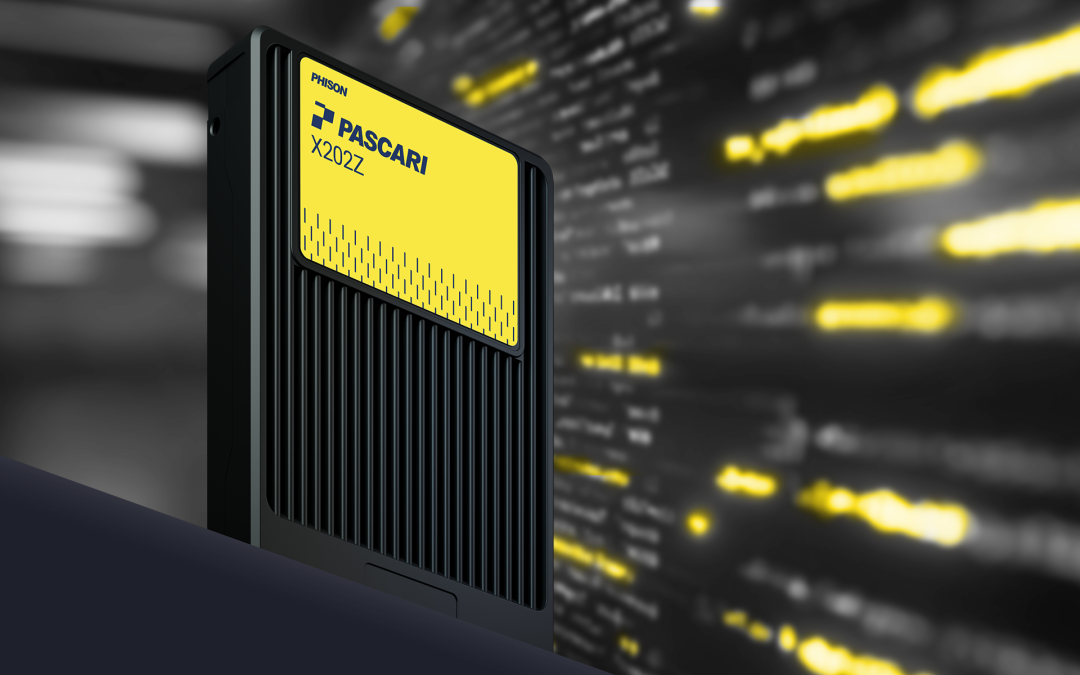
ワークロードが持続的な書き込み耐久性を要求する場合、Phisonの パスカリ・パフォーマンス Xシリーズ エンタープライズ X202Z は、そのような環境向けに設計されています。AIパイプライン、トランザクションデータベース、リアルタイム分析など、書き込み負荷の高いAIワークロード向けの高耐久性PCIe Gen5 SSDです。.
Pascari X202Zは、60 DWPDの定格で、5年間の限定保証が付いています。3D pSLC NANDを採用し、最大10,000 MB/sのシーケンシャル書き込み速度と最大14,800 MB/sのシーケンシャル読み出し速度をサポートします。このドライブは、デュアルポートPCIe 5.0 2×2接続とNVMe 2.0をサポートするU.2およびE1.Lフォームファクタでも利用可能です。.
最大容量6.4TBの場合、耐久性は1日あたり384TBの書き込みに相当します。このドライブは、まさにそのような規模の処理を想定して設計されています。つまり、書き込み負荷に見合った耐久性が求められる、持続的なAI、分析、データベースのワークロードに対応する必要があるのです。.
忍耐力が成長の原動力となるとき
DWPDは、耐久性が抽象的な仕様ではなくなり、ストレージが実際に何ができるかを形作り始める段階です。.
これは、ドライブが今日の日常的な書き込み負荷に対応でき、将来の成長段階にも対応できる設計になっているかどうかを示します。AIトレーニング、分析、ログ記録、キャッシング、その他書き込み負荷の高いワークロードにとって、これは重要な情報です。.
Pascari X202Zは、継続的な負荷に耐えうるストレージを必要とする環境に、一貫性と安定性をもたらします。これにより、インフラストラクチャを自信を持って拡張し、更新サイクルを計画する際に推測に頼る必要が少なくなり、書き込み負荷の高いシステムを常に最新の状態に保つための強固な基盤が構築されます。.
詳細はこちら Pascari エンタープライズ SSD または パスカリの営業担当者にお問い合わせください お客様の作業負荷に最適な耐久性プロファイルについて、本日ご相談ください。.
よくある質問(FAQ):
SSDの書き込み耐久性とは何ですか?また、なぜそれが重要なのでしょうか?
SSDの書き込み耐久性は、SSDが定格保証期間中に書き込めるデータ量を測定する指標であり、インフラストラクチャチームがドライブがワークロードの長期的な書き込み需要に対応できるかどうかを判断するのに役立ちます。書き込み負荷の高いAIトレーニング、データベース、分析、ログ記録、キャッシュなどは、耐久性を急速に消費する可能性があります。耐久性を測定済みの書き込み量と照合することで、早期交換のリスクを軽減し、メンテナンススケジュール、ハードウェアの更新、長期的なストレージコストをより予測しやすくなります。.
SSDにおけるDWPDとは何ですか?
ドライブ書き込み回数(DWPD)は、SSDの保証期間中に、使用可能な容量に対して1日に何回書き込みができるかを示す指標です。1 DWPDの4TB SSDは1日あたり4TBの書き込みをサポートし、3 DWPDモデルは1日あたり12TBの書き込みをサポートします。DWPDは、インフラストラクチャチームがSSDの耐久性と実際の1日の書き込み量を比較するための実用的な方法を提供します。.
AIワークロードが書き込み負荷の高いものになるのはなぜですか?
AIワークロードは、トレーニングチェックポイント、モデル重み、分析データ、ログ、データベーストランザクション、キャッシュ操作などによって処理全体を通してデータが継続的に生成または更新されるため、書き込み負荷が高くなることがあります。モデルが大規模化したり、チェックポイントの頻度が高くなると書き込み量が増加し、分散トレーニングではGPUやサーバー間で同時書き込みが発生する可能性があります。推論ワークロードは、既存のモデルデータを主に読み込むため、書き込み耐性はそれほど必要としない場合があります。.
DWPD値が高いSSDは、常に優れているのでしょうか?
DWPD値が高いSSDが必ずしも最良の選択肢とは限りません。最適な耐久性は、測定された書き込み需要、予想される成長、ドライブ容量、保証期間、および計画された耐用年数によって決まるからです。DWPD値の高いストレージは、書き込み負荷の高いワークロードを継続的にサポートできますが、読み込み負荷の高い環境で最大の耐久性を備えたストレージを導入すると、それに見合った運用価値が得られないままコストが増加する可能性があります。.
ワークロードに適したSSDの耐久性をどのように選べばよいのでしょうか?
適切なSSDの耐久性を確保するには、まず1日あたりの平均書き込み量とピーク書き込み量を測定し、その需要を使用可能なSSD容量、予想されるワークロードの増加、保証期間、および計画されている耐用年数と比較することから始めます。1日あたりの書き込み量を使用可能な容量で割ることで、初期のDWPD要件が得られます。チームはまた、TBW、コントローラ設計、ファームウェア、テスト条件、およびストレージシステム全体への書き込みの分散方法についても評価する必要があります。.
SSDの耐久性は、AIインフラ計画をどのように改善できるのか?
適切なSSDの耐久性を組み合わせることで、AIインフラストラクチャチームは、予期せぬハードウェアの入れ替えではなく、継続的な書き込み需要に基づいて、交換サイクル、メンテナンス期間、予備在庫、ストレージ予算を計画できるようになります。トレーニングチェックポイントや、関連する分析、ログ記録、キャッシュシステムは継続的な書き込み負荷を生み出す可能性があるため、耐久性は容量、スループット、レイテンシ、予想されるワークロードの増加と並んで、インフラストラクチャ計画の重要な指標となります。.
コントローラーとファームウェアの設計は、SSDの耐久性にどのような影響を与えるのでしょうか?
コントローラの設計とファームウェアは、ワークロードによる継続的な書き込み中にNANDフラッシュメモリの動作を管理するため、SSDの耐久性を左右する重要な要素となります。したがって、インフラストラクチャチームは、耐久性を単独の仕様として扱うのではなく、公開されているDWPD(1日あたりの書き込み回数)とTBW(総書き込み回数)の評価を、コントローラのアーキテクチャ、ファームウェア、NANDフラッシュメモリの種類、動作条件、ワークロード特性と併せて評価する必要があります。このようなシステムレベルの評価により、ワークロードとドライブのマッチング精度が向上します。.
Phisonは、極めて書き込み負荷の高いAIワークロードをどのようにサポートするのですか?
Phisonは、Pascari Performance X-Series Enterprise X202Zにより、極めて書き込み負荷の高いAIワークロードをサポートします。このPCIe Gen5エンタープライズSSDは、AI、分析、データベースへの継続的な書き込みに対応するため、60 DWPDの定格を備えています。このドライブは、3D pSLC NANDと最大10,000 MB/sのシーケンシャル書き込み速度、14,800 MB/sのシーケンシャル読み取り速度を組み合わせ、高い耐久性とエンタープライズのスループット要件を両立させています。.
Pascari X202Zは1日にどれくらいのデータを書き込むことができますか?
6.4 TBのPascari Performance X-Series Enterprise X202Zは、60 DWPDの定格書き込み容量を持ち、指定された耐久性条件下で1日あたり384 TBの書き込み量をサポートします。この耐久性プロファイルは、AIパイプライン、トランザクションデータベース、リアルタイム分析など、継続的な書き込み負荷がかかる環境を対象としており、従来の低DWPD SSDではワークロードの1日の書き込み需要を満たせない場合があります。.
高耐久性エンタープライズ向けSSDは、どのようにインフラコストを削減できるのでしょうか?
高耐久性エンタープライズSSDは、持続的な書き込み需要に耐久性が見合えば、交換、移行、再構築、調達、保守といった不要な作業を抑制し、ライフサイクルコストを削減できます。書き込み負荷の高い環境では、適切な耐久性プロファイルを設定することで、インフラストラクチャチームはリフレッシュサイクルと運用リソースをより詳細に制御できます。PhisonのPascari X202Zは、あらゆる導入環境に無差別に高いDWPDを適用するのではなく、極めて高い耐久性を必要とするワークロードに特化して対応します。.





 日本語
日本語  English
  繁體中文
繁體中文  简体中文
简体中文  Deutsch
  한국어
한국어