

よりスマートなハードウェア、コントローラー、ファームウェア、およびアーキテクチャの決定を通じて、実際のワークロードに合わせてエンタープライズストレージを最適化します。.
エンタープライズストレージの効率性は、システムが1ドルあたりどれだけ効率的にパフォーマンスを発揮できるかにかかっています。そのためには、ハードウェア、コントローラ技術、ファームウェア、アーキテクチャが連携して、無駄を削減し、一貫性を維持し、総所有コストを低減する必要があります。.
組織がワークロードの増加、データ量の増加、AI主導のインフラストラクチャへの要求の高まりに直面する中で、ストレージコストが制御不能に陥ることなく、効率性を確保することがますます重要になっています。しかし、ストレージ計画においては、パフォーマンスを高めるには大幅なコスト増が必要だという単純な前提に陥りがちです。.
実際には、エンタープライズストレージにおけるコストとパフォーマンスのバランスを取るということは、どちらか一方を選択するというよりも、システム全体の効率性を向上させることに重点が置かれています。ハードウェア、コントローラ、ファームウェア、アーキテクチャを総合的に最適化することで、パフォーマンスを向上させながら、長期的な運用コストをより厳密に管理することが可能になります。.

適切なバランスとはどのようなものだろうか?
ストレージのコストとパフォーマンスのバランスを取るということは、単に最高のスペックを追求するのではなく、費用対効果を最大化することを意味します。目標は、不要なリソースの浪費を避けつつ、ビジネスワークロードに必要なスループット、レイテンシ、および耐久性を実現することです。.
スループットとは、ストレージシステムが一定時間内に処理できるデータ量を指し、レイテンシとは、リクエストからシステム応答までの遅延時間を指します。耐久性とは、ストレージデバイスがその寿命期間中にどれだけのデータを確実に書き込めるかを表します。これらの指標は、アプリケーションのパフォーマンスと総所有コストの両方に影響を与えます。.
課題は、多くの組織が依然としてパフォーマンスの問題を解決するために過剰なリソース確保に頼っている点にある。彼らは、実際のワークロードが必要とする以上のストレージ容量、ドライブ、あるいは高性能システムを購入している。これは一時的にパフォーマンスを向上させるかもしれないが、多くの場合、設備投資と運用コストの両方を増加させる非効率性を生み出す。.
より効果的なアプローチは、システムのリソース利用を最適化するストレージ効率化戦略に焦点を当てることです。これにより、無駄を削減しつつ、要求の厳しいエンタープライズワークロードに対しても安定した結果を維持することで、ストレージのパフォーマンスとコストのバランスが向上します。.
コストとパフォーマンスが乖離する理由
組織は、ストレージ環境全体の動作を最適化せずにハードウェアの仕様を優先すると、非効率性を生み出すことがよくあります。ワークロード、リソース割り当て、 データ移動 管理が行き届いていない。.
例えば、最適化されていないワークロードは、不要な書き込み増幅、リソース利用の不均一性、過剰なデータ移動を引き起こす可能性があります。これらの非効率性は、NANDフラッシュメモリの摩耗を増加させ、消費電力を増加させ、SSD全体のコスト効率を低下させます。.
AIワークロード この課題は、近年の推論および分析環境によってさらに深刻化している。これらの環境は予測不可能なデータパターンを生成し、ストレージシステムに大きな負荷をかける。多くの組織は、根本的な問題がワークロード管理の非効率性にある場合でも、ハードウェアを積極的に拡張することで対応している。.
そのため、ストレージコストの最適化は、力任せの拡張ではなく、インテリジェントなシステム設計にますます依存するようになっています。効率的なストレージシステムは、無駄を削減し、利用率を向上させ、過剰なハードウェア拡張なしに安定したパフォーマンスを維持します。.
ストレージ効率を決定する要因は何ですか?
ストレージ効率は、システム全体がどれだけ効果的に連携して動作するかによって決まります。ハードウェア、コントローラ、ファームウェア、アーキテクチャはすべて、パフォーマンスの一貫性とコスト管理に貢献します。.
ハードウェア効率
最新のSSD レイテンシー、スループット、電力効率の面で、従来のストレージ技術に比べて既に大きな優位性を実現しています。しかし、ハードウェアの選択だけでは最適な結果を保証することはできません。.
組織は、ストレージハードウェアを実際のワークロード要件に合わせる必要があります。負荷の低いワークロードに対して超高性能ドライブに過剰投資すると、多くの場合、コストが増加するだけで、実質的な運用上の価値は得られません。.
NANDフラッシュメモリのコストと性能の関係も重要です。NANDフラッシュメモリの技術によって、耐久性、密度、速度など、優先する要素が異なります。適切なバランスを選択することで、不要な機能に費用をかけることなく、目標とする性能を達成できます。.
コントローラーの最適化
コントローラーは、ストレージのコストとパフォーマンスのバランスを取る上で最も大きな影響力を持つ要素の一つです。ストレージリソースの利用効率とワークロードの管理効率を決定するからです。.
最適化されたコントローラは、レイテンシーの一貫性を向上させ、書き込み増幅を低減し、NANDフラッシュメモリの利用率を最大化します。これらの改善により、より少ないリソースでより多くの処理を実行できるようになり、ストレージコスト管理の目標達成に直接貢献します。.
コントローラの最適化は、運用上のオーバーヘッド削減にも役立ちます。リソース処理の効率化により、消費電力が削減され、不要なハードウェア拡張が最小限に抑えられ、デバイスの寿命が延びます。.
ファームウェアインテリジェンス
ファームウェアは、ストレージシステムが変化するワークロード状況にリアルタイムでどのように対応するかを制御します。キャッシュ動作、ワークロードの優先順位付け、およびバックグラウンド処理を最適化することで、安定したパフォーマンスを維持できます。.
ファームウェアも耐久性管理において重要な役割を果たします。効率的なファームウェアは不要な書き込み動作を削減し、ドライブの寿命を延ばし、ストレージの総所有コストを長期的に改善するのに役立ちます。.
システムアーキテクチャ
高度に最適化されたドライブであっても、設計の不十分なアーキテクチャでは性能が低下する可能性があります。ストレージシステムは、ワークロードの動作、ネットワークインフラストラクチャ、およびアプリケーションの要件に適合している必要があります。.
効率的なアーキテクチャは、個々のパフォーマンス向上よりも、リソースのバランスの取れた利用を優先します。これには、データ配置の最適化、ボトルネックの削減、環境全体における不要なデータ移動の最小化などが含まれます。.
企業がAIとクラウドインフラストラクチャの近代化を進めるにつれ、パフォーマンスとコスト効率の両方を維持するために、システムレベルでの連携がますます重要になってきている。.
PhisonのPascariエンタープライズSSDは、パフォーマンスとコストのバランスをどのように実現するのか
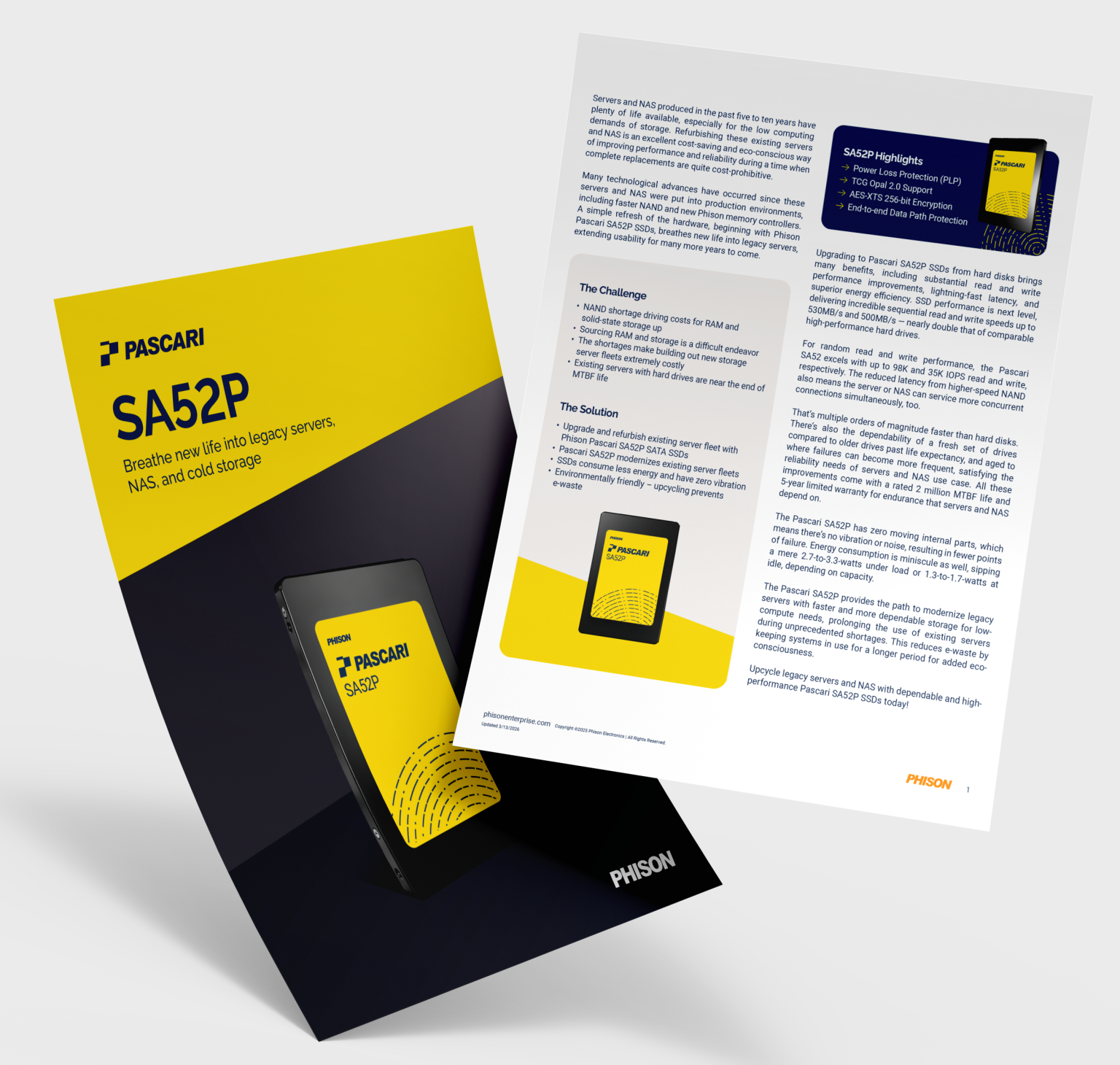
Pascariのエンタープライズ向けSSDソリューション 効率性がパフォーマンスとコスト効率の両方を向上させるという考えに基づいて設計されています。Phisonは、ピーク時のベンチマーク数値だけに焦点を当てるのではなく、持続的なパフォーマンスの一貫性、インテリジェントなワークロード処理、そして長期的な運用効率を優先しています。.
PascariのエンタープライズSSDは特に以下のような用途に最適です。 AI、アナリティクス、高密度エンタープライズ環境 パフォーマンスのばらつきは、運用コストを急速に増加させる可能性があります。Phisonは、コントローラーとファームウェアのレベルでワークロードの動作を最適化することで、SSDのコスト効率を向上させ、総所有コストを削減します。.
このシステムレベルのアプローチは、拡張性もサポートします。ワークロードが変化しても、過剰なリソース確保や不必要なインフラストラクチャの拡張に頼ることなく、予測可能なパフォーマンスを維持できます。.
ストレージ最適化のためのベストプラクティス
ストレージのパフォーマンスとコストのバランスを改善したいと考えている組織は、効率性を重視した最適化戦略に注力すべきである。.
1. まずはストレージインフラストラクチャの調整から始めましょう。 理論上の最大需要ではなく、実際のワークロード要件に基づいて計算します。これにより、不要な支出を削減しつつ、利用率を向上させることができます。.
2. コントローラーとファームウェアの最適化を優先する ハードウェアの選定と並んで、ストレージ効率はハードウェアの仕様だけでなく、ワークロードが内部的にどのように管理されるかにも大きく左右されます。.
3. ワークロードの挙動を継続的に監視する ボトルネック、活用されていないリソース、非効率的なデータ移動パターンを特定するため。.
4. ストレージ投資を評価する 取得コストだけでなく、総所有コストを用いて評価する。電力使用量、冷却要件、メンテナンス、耐久性、運用効率など、すべてが長期的な蓄電コストに影響を与える。.
ストレージ効率を競争優位性につなげる
コストとパフォーマンスのバランスを取る エンタープライズストレージ 究極的には、システム全体の効率を最大化することが目的です。ハードウェアの性能だけに焦点を当てると、無駄、過剰な設備投資、運用コストの上昇につながる可能性があります。.
最も効果的な エンタープライズストレージ 戦略とは、ハードウェア、コントローラ、ファームウェア、およびアーキテクチャがどのように連携して動作するかを最適化し、可能な限り低いコストで一貫したパフォーマンスを実現するものです。.
Pascariのエンタープライズ向けSSDは、コントローラーの革新、ファームウェアの最適化、エンタープライズ向けSSD設計を通じて、ワークロードの効率性とパフォーマンスの一貫性を向上させ、このプロセスにおいて重要な役割を果たします。Phisonは、無駄を削減し、リソースの利用効率を高めることで、総所有コストを削減しながら、費用対効果の向上を支援します。.
企業ワークロードが複雑化するにつれ、ストレージの成功を左右する最も重要な要素の一つが効率性になります。今日からインテリジェントな最適化を優先することで、組織は将来的に持続的にパフォーマンスを拡張できる体制を整えることができます。.
もっと詳しく知る Pascari エンタープライズ SSD または 今すぐパスカリの営業担当者にご連絡ください。.
よくある質問(FAQ):
エンタープライズストレージにおいて、コストとパフォーマンスのバランスを取るとは具体的にどういうことでしょうか?
エンタープライズストレージにおけるコストとパフォーマンスのバランスを取るということは、1ドルあたりのパフォーマンスを最大化しながら、 維持する スループット、レイテンシ、および耐久性 必須 ビジネスワークロード向け。効率的なストレージ環境は、不要なハードウェア支出を削減し、無駄を最小限に抑え、長期的な運用効率を向上させます。ハードウェア、コントローラ、ファームウェア、システムアーキテクチャが最適化されている場合、組織はより良い結果を達成できます。 最適化された 過剰供給や個別のハードウェアアップグレードだけに頼るのではなく、連携して行う。.
ストレージインフラストラクチャを過剰にプロビジョニングすることが非効率的なのはなぜですか?
ストレージインフラストラクチャを過剰にプロビジョニングすると、ワークロード効率が比例して向上することなく、設備投資と運用コストが増加することがよくあります。多くの組織は、ワークロードの非効率性、リソース割り当ての不備、またはパフォーマンスのばらつきを補うために、過剰な容量や超高性能ハードウェアを導入しています。このアプローチは、リソースが十分に活用されないまま、消費電力、冷却要件、およびハードウェアコストを増加させます。最適化されたストレージアーキテクチャは、ワークロード管理、データ配置、およびコントローラレベルのリソースを改善することで、より高い効率を実現します。 利用.
AIワークロードは、企業のストレージコストにどのような影響を与えるのか?
AIワークロードは、スループット、レイテンシーの一貫性、耐久性を同時に要求する予測不可能な大容量データパターンを生成するため、エンタープライズストレージコストを増加させます。多くの組織は、ハードウェアを積極的に拡張することで対応しますが、これはインフラストラクチャコストを不必要に増加させる可能性があります。効率的なAIストレージ環境は、ワークロードを考慮した最適化、インテリジェントなデータ移動、およびコントローラレベルのチューニングに重点を置いています。 維持する 過剰なハードウェア拡張を必要とせずに、予測可能なパフォーマンスを実現します。.
SSDにおけるスループット、レイテンシ、耐久性の違いは何ですか?
スループットはストレージシステムが一定時間内に処理できるデータ量、レイテンシーは応答遅延、耐久性はSSDが寿命期間中に確実に書き込めるデータ量を表します。これら3つの指標は、アプリケーションの応答性、インフラストラクチャの拡張性、および総所有コストに直接影響します。エンタープライズストレージ環境では、単一の仕様を最大化するのではなく、これら3つの指標の適切なバランスが求められます。.
組織はエンタープライズストレージへの投資をどのように評価すべきでしょうか?
組織は、エンタープライズストレージへの投資を、取得コストだけでなく総所有コストに基づいて評価する必要があります。電力効率、冷却要件、耐久性、ワークロードの一貫性、メンテナンスのオーバーヘッド、拡張性などの長期的な要因は、初期ハードウェア価格よりも運用に大きな影響を与えることがよくあります。 維持する 予測可能なパフォーマンスと低いリソース消費は、一般的に長期的に見てより高い投資対効果(ROI)をもたらします。.
コントローラーはエンタープライズ向けSSDの効率にどのような影響を与えるのか?
コントローラは、レイテンシーの一貫性、NAND を管理することで、エンタープライズ SSD の効率に直接影響を与えます。 利用, デバイスレベルでの書き込み増幅とワークロードの優先順位付け。最適化されたコントローラはリソース効率を向上させ、不要な処理を削減します。 書く 活動を支援し、 維持する 要求の厳しいエンタープライズワークロード下でも、予測可能なパフォーマンスを実現します。Phisonはコントローラーレベルの最適化を重視しています。なぜなら、効率的なワークロード処理は、運用上の拡張性とストレージコスト効率の両方を向上させるからです。.
エンタープライズストレージシステムにおいて、ファームウェアの最適化が重要な理由は何ですか?
ファームウェアの最適化は、ファームウェアが 決定する ストレージシステムが変化するワークロード条件に動的に応答する方法。インテリジェントファームウェアは 最適化する キャッシュ動作、バックグラウンド操作、ワークロードの優先順位付け 維持する 安定したパフォーマンスを実現し、不要なNANDフラッシュメモリの摩耗を低減します。Phisonはファームウェアとコントローラの最適化を統合することで、耐久性、ワークロード効率、そしてエンタープライズ向けSSDの長期的な信頼性を向上させます。.
Phison Pascariのエンタープライズ向けSSDは、どのようにしてコストパフォーマンスを向上させるのでしょうか?
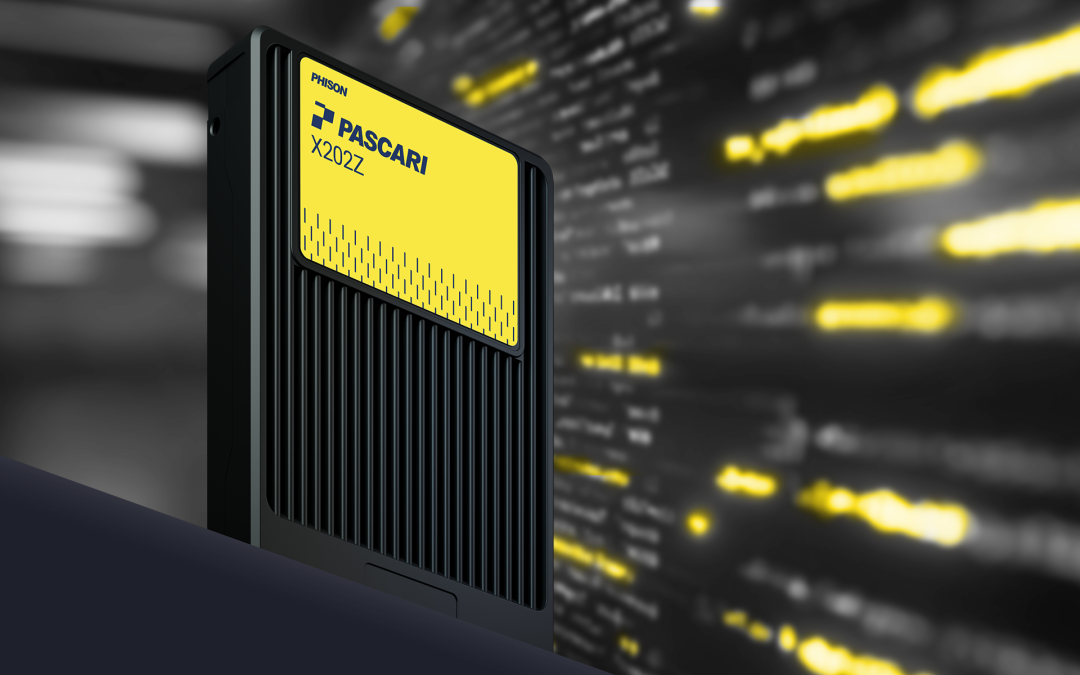
Pascari Performance XシリーズエンタープライズSSDは、持続的なワークロード効率、レイテンシーの一貫性、インテリジェントなリソースを優先することで、コストパフォーマンスを向上させます。 利用 ピーク時のベンチマーク指標だけに焦点を当てるのではなく。Phison 最適化する コントローラアーキテクチャとファームウェアの動作を連携させることで、無駄を削減し、NAND効率を向上させ、拡張可能なエンタープライズパフォーマンスをサポートします。このアプローチは、組織がインフラストラクチャコストを管理しながら、 維持する AI、分析、データセンターのワークロード全体で予測可能な結果を実現します。.
AI対応ストレージインフラストラクチャにおいて、コントローラーとファームウェアの協調設計が重要なのはなぜですか?
AIワークロードでは、変化するデータアクセスパターンやパフォーマンス要求に動的に対応できるストレージシステムが必要となるため、コントローラとファームウェアの協調設計が重要です。ハードウェアとファームウェア間の連携最適化により、レイテンシーの安定性が向上し、ボトルネックが軽減され、非効率なデータ移動が最小限に抑えられます。Phisonの垂直統合型設計アプローチは、過剰なリソース確保に頼ることなく、ワークロード固有のチューニングを可能にし、AIインフラストラクチャのスケーラビリティをサポートします。.
総所有コストを最も効果的に削減できるストレージ最適化戦略とは?
最も効果的なストレージ最適化戦略は、ワークロードのアライメントと効率的なリソースに焦点を当てています。 利用, 、そしてシステムレベルの調整。組織は 最適化する コントローラーの動作、, モニター ワークロードパターンを継続的に分析し、不要なデータ移動を削減し、ハードウェアの選択を実際のワークロード要件に合わせることが重要です。Pascari Data Center D-Series Enterprise SSDなどのエンタープライズSSDプラットフォームは、ワークロードを考慮した最適化、予測可能なパフォーマンス、および運用効率の向上を通じて、これらの目標達成をサポートします。.





 日本語
日本語  English
  繁體中文
繁體中文  简体中文
简体中文  Deutsch
  한국어
한국어